
How to watch TV without cable and save space and money has become a major question for many households today as technology and the Internet continue to evolve. The rise of cord-cutting offers a smart, modern entertainment solution by replacing installation hassles and messy cable systems with a simple combination of high-speed Internet and a reliable streaming device. The biggest advantage lies in the power of choice: instead of paying for hundreds of fixed channels, you only subscribe to the entertainment apps you truly need. You can also explore endless free content on platforms like YouTube. It’s time to stop paying for content you never watch and start enjoying a flexible, on-demand, and cost-effective way to watch TV.
How to Watch TV Without Cable and Why You Should Cut the Cord
Traditional cable TV models are not only expensive but also rigid, and they often bind users to fixed channel packages along with hidden costs. In contrast, a modern and compact streaming device gives users full control, including both content and expenses. To better understand the value of this transition, we need to analyze two main aspects of how to watch TV without cable provides: freedom of content choice and long-term cost optimization.
Enjoy Freedom of Content Choice
Users no longer depend on fixed channel packages. They can choose exactly what they want to watch, including movies, TV shows, sports, and online entertainment apps. This helps every minute of viewing feel valuable and prevents time wasted on unwanted programs.
Modern streaming devices also come in compact designs. They are light and easy to carry. So that users can access personalized content anywhere and keep their information secure, because they no longer need to log in and log out every time they move. Many people forget this step when leaving. This approach protects their data and viewing history more effectively.
Optimize Your Costs for Long-Term Savings
Eliminating installation fees, additional charges during setup, and especially monthly subscription fees allows users to manage their budgets more easily. Users only pay for the content or services they truly need. This approach makes the total cost of home entertainment more flexible and economical.
Instead of paying up to $60 per month for a cable package with hundreds of channels while watching only a few of them, now users have a better option: no recurring monthly fees, no installation costs, and no limitation on content.
Cable TV vs. Cord-Cutting
To take full advantage of the benefits that cord-cutting offers, we need to understand the differences between the television formats that exist today. With this clarity, users can learn how to watch TV without cable in the smartest and most effective way. DingBOX will explain the differences between three common television models: Cable TV, Digital TV, and Internet TV, compared with the newest on-demand entertainment solution available today: Streaming Devices. From there, you can determine which option is the best fit for your family’s entertainment needs.
Comparison: Cable TV vs. Cord-Cutting
The table below provides a clear comparison of the key differences between Cable TV and modern cord-cutting options. These points make it easier to understand how each format works and what users can expect in terms of cost, flexibility, and viewing experience.
| Criteria | Cable TV | Digital TV | Internet TV | Streaming Devices |
|---|---|---|---|---|
| Initial Cost | – Purchasing equipment. – Paying installation fees. | – Purchasing a digital receiver and necessary accessories. – Paying installation fees. | – Using only an Internet connection with no device cost. | – Purchasing a streaming device. |
| Monthly Cost | – Paying a fixed monthly fee. – Paying additional fees for subscription services (e.g., Netflix or Disney+). | – Paying a fixed monthly fee. | – Paying additional fees for subscription services. | – Paying additional fees for subscription services (optional). |
| Content Selection | – Having a channel lineup that depends on the receiver. – Using limited Internet speed from cable networks. | – Supporting more channels and more content through multi-frequency transmission. | – Offering a wider variety of channels and programs. – Choosing channels, movies, and preferred service platforms freely. | – Offering on-demand content and a large movie library on certain devices. – Installing third-party applications on some devices. |
| Flexibility | – Facing restrictions from service packages and provider equipment. | – Serving households in areas where cable signals cannot reach or where Internet speed stays low. | – Using multiple devices such as phones or computers that have Internet access. | – Carrying compact devices easily and watching content anywhere with an Internet connection. |
| Technology Requirements | – Television. – A set-top box or cable box. – Physical cables. – High-speed Internet. | – Television. – An indoor or outdoor antenna. – Digital receiver. – Physical cables. | – Television. – High-speed Internet. | – Television. – Streaming device. – High-speed Internet. |
| Quality | – Experiencing frequent signal noise and grainy images (HD receivers are required to improve the issue). – Facing strong impact from weather conditions. | – Avoiding interference from outdoor weather conditions (e.g., rain, or lightning). – Delivering HD image quality with a resolution of 720p. | – Depending entirely on the device used for viewing and on Internet connectivity. | – Supporting 4K, 6K resolution in many models, along with high-quality audio. |
Summary: Evaluation and Optimal Choice
After reviewing the key features of Cable TV, Digital TV, Internet TV, and Streaming Devices, it becomes clear that each option offers distinct advantages and disadvantages. Understanding these differences helps users make an informed decision and discover the most effective way to watch TV without cable:
- Cable TV: this traditional model usually operates through a complex splitter system, which easily leads to signal noise and grainy images. This model is suitable for those who only need to watch basic television channels and do not require high image quality or fast Internet speeds.
- Digital TV: this model outperforms Cable TV because it can support more channels and a wider variety of content through multi-frequency transmission. The greatest advantage is the complete elimination of signal noise, which is a common drawback of Cable TV, while also avoiding interference from external factors such as reflected waves or weather conditions.
- Internet TV: this model uses the Internet to deliver program services, allowing users to freely download and select entertainment applications. However, a major limitation of Internet TV is that it only works with Smart TVs. Non-smart TVs that cannot connect to the Internet cannot use this model. Additionally, users may encounter advertisements that interrupt the viewing experience, and they must pay special attention to security concerns when downloading applications from untrusted sources.
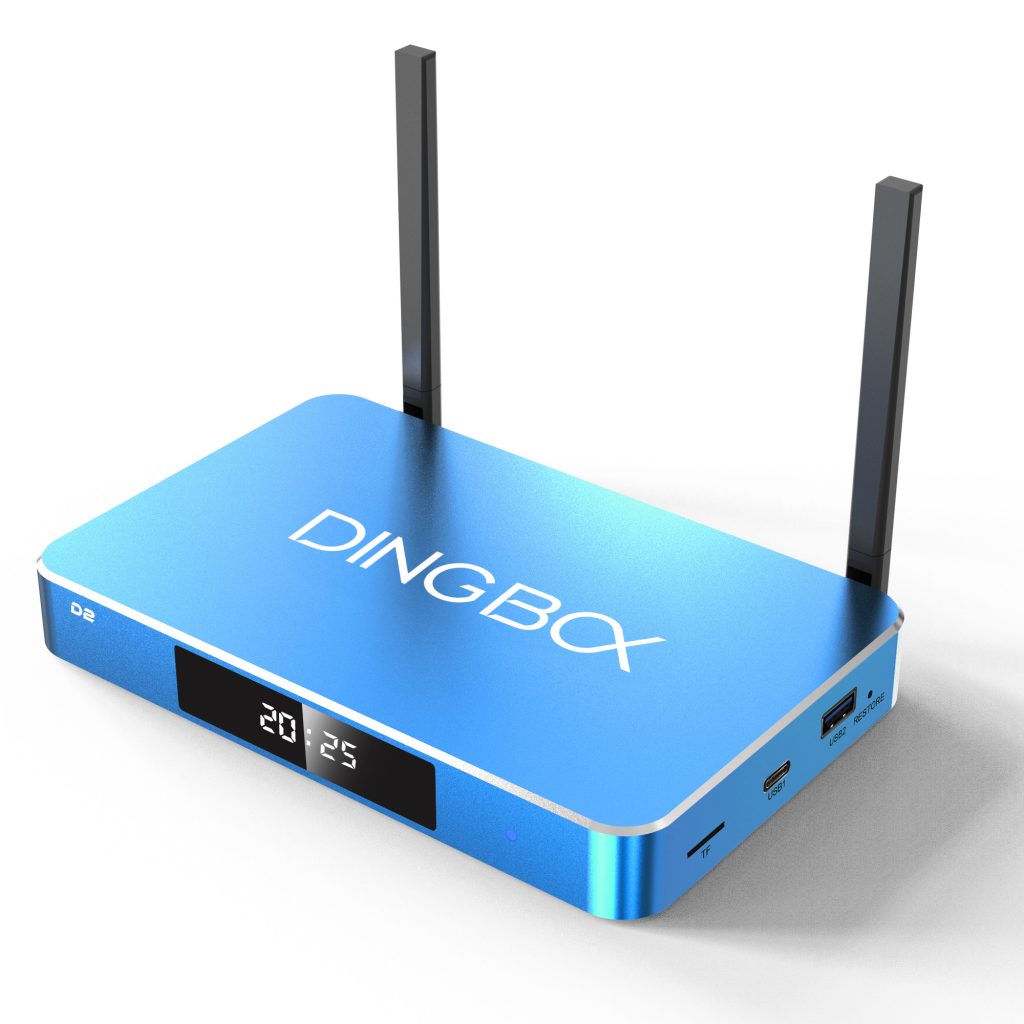
- Streaming Devices: these devices provide similar functionality to Internet TV, but the biggest difference is the ability to transform a non-smart TV into a smart TV, expanding the usage options for any type of television. It is important to note that some devices may not support basic television channels. However, users can consider the DingBOX second generation. This device offers hundreds of free television and sports channels, allowing the installation of third-party applications.
How to Watch TV Without Cable with DingBOX: A Smart and Cost-Effective Entertainment Solution
Many families still struggle with traditional cable packages, high costs, and complicated installation processes. This is the perfect time to consider a smart streaming device like DingBOX – a complete solution that delivers a full entertainment experience.
DingBOX – The Wireless Entertainment Device for Every Family
To watch TV without cable, users need a reliable, compact, and powerful device. DingBOX is designed to transform any television, including non-smart TVs, into a versatile entertainment hub. With just one device, users can:
- Access hundreds of free television and sports channels.
- Install third-party applications to expand their personal content library.
- Access 15,000+ VOD titles, 2,000+ live TV channels, exclusive applications, and a wide range of entertainment content.
DingBOX not only provides abundant content but also optimizes long-term costs, because users do not have to pay installation fees or hire professionals for setup. Moreover, there are no monthly cable subscription fees required.
Reasons to Choose DingBOX Over Other Devices
Among current streaming devices, DingBOX stands out by providing thousands of free television and sports channels without interruptions from advertisements. This is a major difference compared to Cable TV and most other streaming devices, which often limit content or require additional monthly fees for extra channels.
Although many modern TVs are marketed as smart. A dedicated streaming box still offers several key advantages:
- Higher performance: dedicated processors and RAM ensure faster application loading and smoother operation compared to the built-in software of Smart TVs.
- Advanced features: supports multiple connection ports, optimizes network connections (such as ethernet), and offers specialized software functions for streaming.
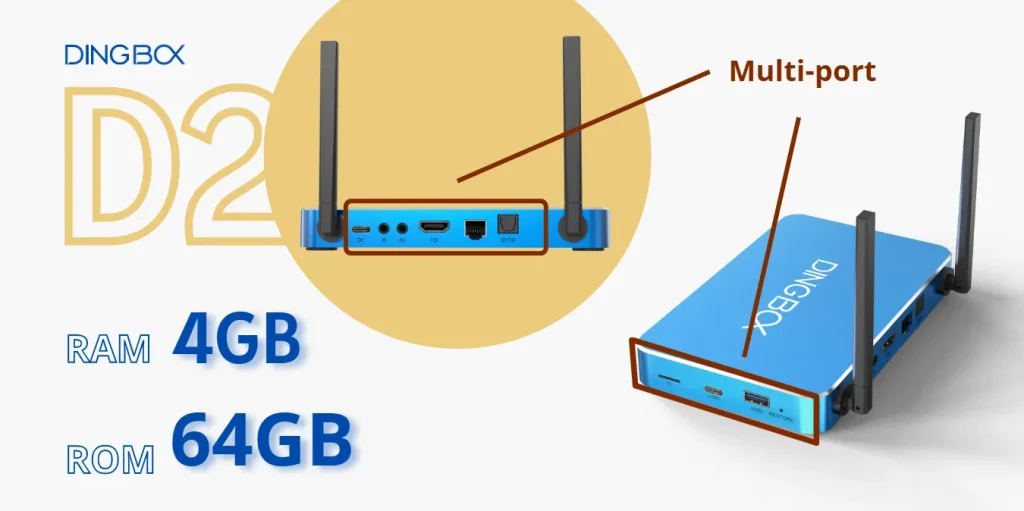
Thanks to these advantages, DingBOX delivers a superior experience for watching TV without cable, offering greater flexibility and stability than most Smart TVs and other streaming devices available in the market.
DingBOX Helps Save Costs in the Long Term
Compared to traditional cable, watching TV without cable using DingBOX helps users manage their budgets more effectively through:
- No installation or initial setup fees.
- No ongoing monthly fees unless the user chooses to subscribe to additional paid services.
- One-time payment for the device, receiving hundreds of free channels and the ability to expand content as desired.
Instead of paying $60 – $100 per month for a cable package with hundreds of channels while watching only a few, DingBOX provides a cost-saving, flexible, and fully controlled solution.
Who Should Use DingBOX?
DingBOX suits a variety of users thanks to its versatile features and compact design:
- People living in small apartments: minimizes tangled cables and clutter.
- Cost-conscious users: avoids paying for expensive cable packages.
- Families with young children: access free and safe content with parental control features.
- Older adults: easy access to free television, sports, and news channels with simple operation.
- Frequent travelers: take DingBOX anywhere and watch content anytime.
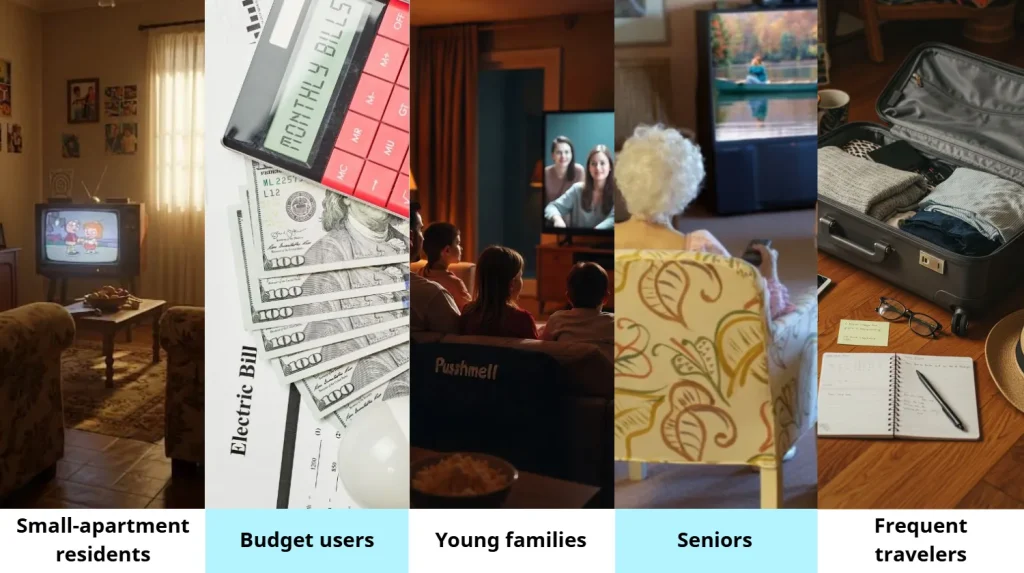
These are the main reasons why DingBOX becomes the optimal choice for those who want to watch TV without cable, save costs, and still enjoy a rich and flexible entertainment experience. Along with its compact and user-friendly design, DingBOX makes installation and operation quick and convenient for all types of users.
Contact DingBOX for Orders or Inquiries
To place an order or ask any questions about DingBOX, please fill out the form below with your inquiries or the information you would like to know. Our team will respond promptly and provide detailed answers to help you make the most suitable decision for your home entertainment needs. Additionally, when purchasing the device, use the code DINGBOXBESTBOX to receive $50 when purchasing the device.
DON’T MISS OUT
Use code DINGBOXBESTBOX to save $50 on your purchase now!
Share this post with your friends!
Best Way to Cut the Cable Cord in 2025 Without Subscriptions
Cutting the cable cord today is no longer about watching less TV. It’s about watching…

Are Fully Loaded Streaming Boxes Legal and Safe in 2026?
Streaming devices promise access to more content at a lower cost, and many shoppers are…
Finding the Best IPTV for Resellers in 2026
Choosing the right IPTV service for resellers has never been easy, especially when the market…
6K TV Box: Everything You Need to Know Before Buying
The term 6K TV box has been popping up everywhere lately. Some brands even suggest…
DingBox Apps Installation Guide and Full Content Overview
If you’ve got a DingBox and want one single, detailed guide that shows you how…
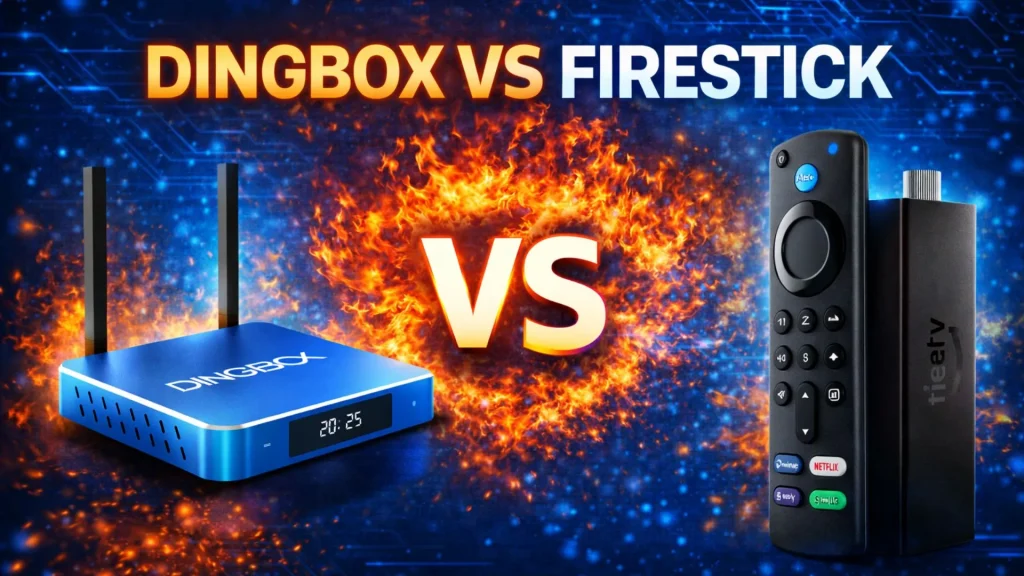
DingBox vs Firestick: Specs, Features, and Model Comparison
When choosing a modern streaming device, two popular options often come up: DingBox D2 vs…